Bio-inspired systems base on interference pigments used as extended UV-light shielding materials
BISUVSHIELD
Project number: PN-IV-P7-7.1-PED-2024-0838 (117PED/2025)
Contracting authority: Executive Unit for the Financing of Higher Education, Research, Development and Innovation – UEFISCDI
Implementation period: 05/05/2025-04/05/2027
Value from the state budget: 746.162 lei
Co-financing: 79.410 lei
National Institute for Research & Development in Chemistry and Petrochemistry –ICECHIM
PANAIT INTL SRL

About: The project aims to obtain hybrid materials—based on Taraxacum officinale/Trifolium pratense L. and mica clay—that possess ultraviolet light-shielding properties. This interdisciplinary research focuses on developing new methods for producing and testing innovative mica-coumarin materials intended for use as UV and HEV radiation blockers in skincare products.
Obiectives
O 1. Selection of natural fluorescent compounds with antioxidant properties from sustainable sources and synthesis of analogous derivatives with a coumarin structure.
O 2. Development of small-sized mica particles with varied designs to facilitate the adsorption of coumarin derivatives and obtain hybrid materials with multiple optical properties.
O 3. Demonstration and validation of the compatibility of the hybrid materials with various types of emulsion systems used in sunscreen cosmetic products.
Estimated results:
New products:
4 new coumarin-derived compounds;
3 types of mica minerals with distinct surface architectures, compatible with various natural or synthetic organic compounds;
2 types of hybrid materials with different designs, used as UV filters.
Production technologies and application methods:
Technology for producing hybrid materials with multiple optical properties.
Demonstration of the functionality and utility of hybrid materials in emulsion systems to achieve UV and HEV light shielding properties.
Publications: Articles (4), International conference presentations (6), Patent applications (1).
Project development
Stage 1 – 2025
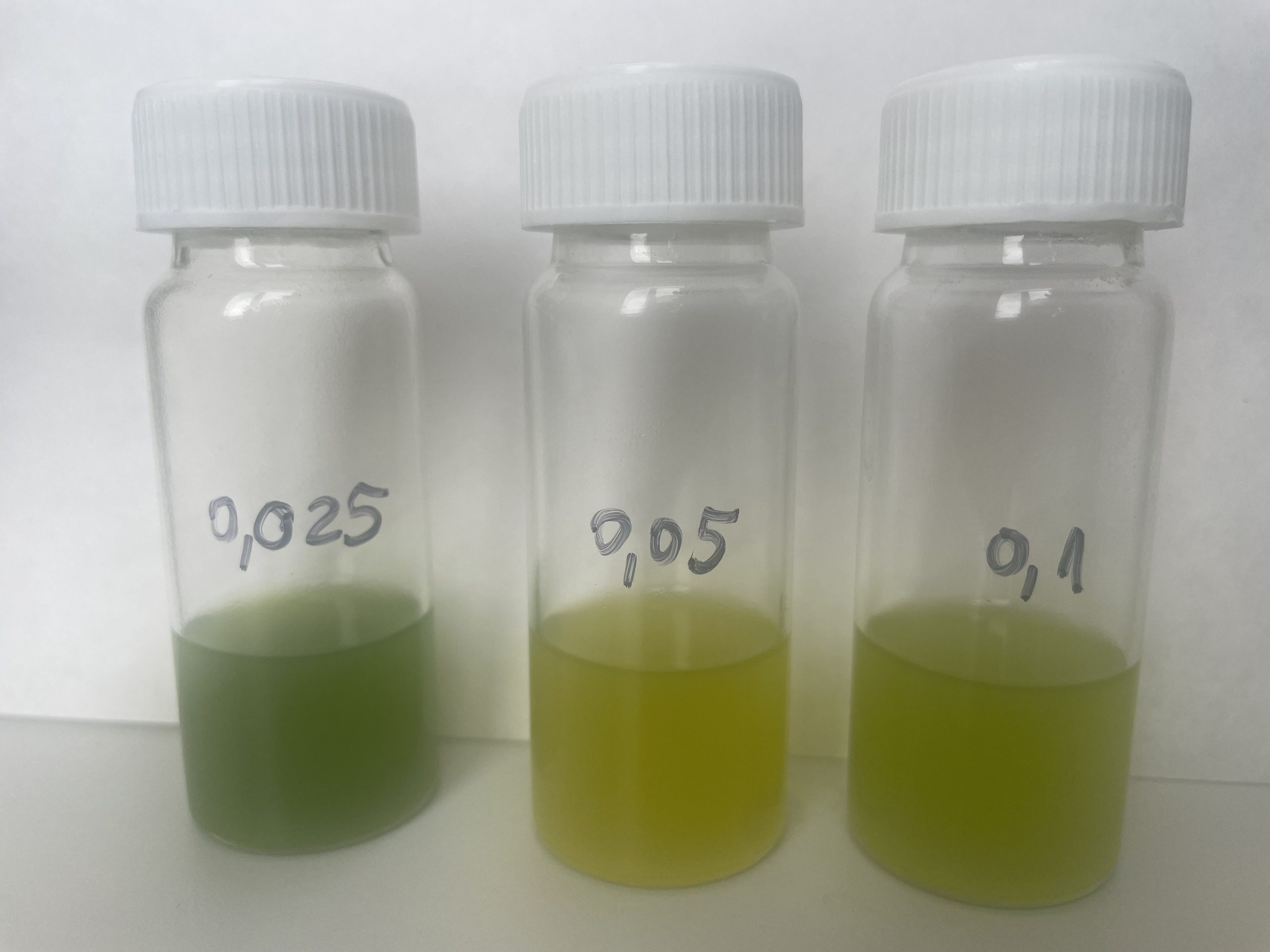
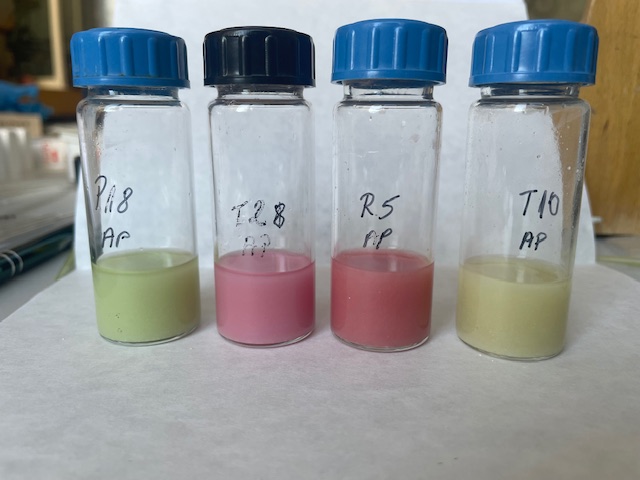
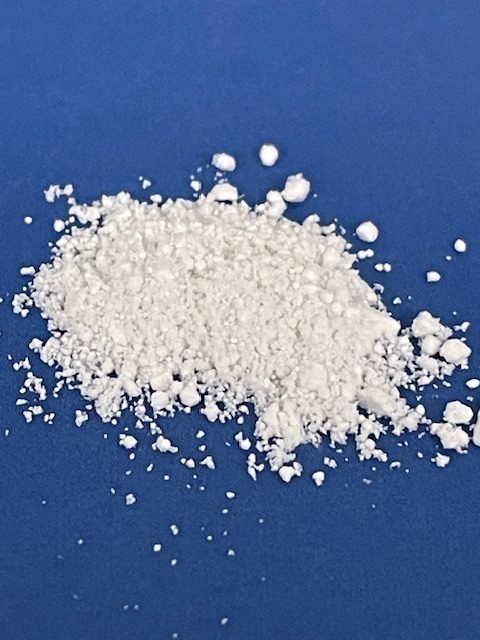
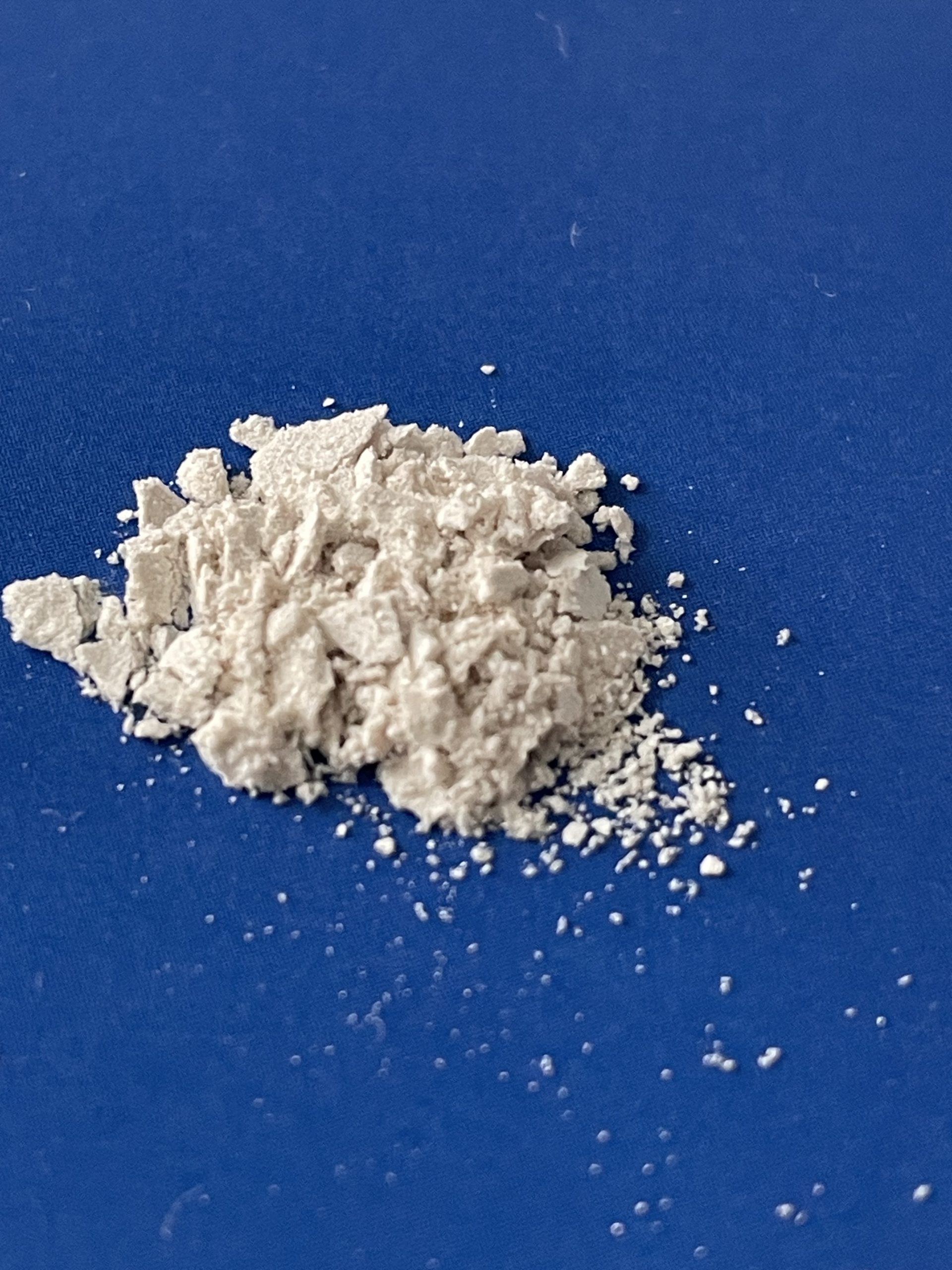
Ultraviolet radiation is one of the most harmful environmental factors for human skin, contributing to premature aging, light-induced degradation, and an increased risk of skin cancer. Polyphenols are well known for their antioxidant and UV-absorbing properties, making them attractive candidates for the development of bio-inspired protection systems. The initial stage focused on identifying sources of natural polyphenolic compounds and methods for their extraction. To this end, efforts were made to obtain natural extracts rich in polyphenolic compounds using plant materials—specifically flowers, leaves, or roots—derived from dandelion or red clover. Structural analyses (chromatography, UV-Vis spectroscopy, FTIR spectroscopy, and fluorescence spectroscopy) of the obtained extracts, evaluated against various extraction methods and conditions, revealed that polyphenols can be extracted more efficiently using modern microwave-assisted or ultrasonic methods; these approaches require significantly less time and lower costs compared to conventional techniques. The studies demonstrated that a significant proportion of polyphenolic compounds with fluorescent properties are found in the plants' flowers, although these compounds undergo photodegradation when in isolated systems. To prevent degradation, polyphenolic compounds were subjected to complexation with transition metal ions, resulting in molecular superstructures—specifically coordinated metal complexes (Zn, Cu) or metal nanoparticle-stabilized systems (Ag, Se)—leveraging their antioxidant properties. Another approach regarding fluorescent compounds involved synthesizing similar derivatives that offer greater stability by eliminating the enzymatic processes inherent in natural extracts. Consequently, four coumarin derivatives were synthesized and characterized using either conventional solvent-based methods or microwave-assisted synthesis. These structures will serve as the foundation for developing fluorescent compounds intended for use in organic-inorganic hybrid materials designed for UV shielding. Studies on the adsorption of compounds isolated from natural extracts—as well as their metal complexes—onto inorganic mica supports aim to elucidate structure-property relationships based on the interactions between the natural compounds and the host matrix. This paves the way for developing new molecular structures with tunable optical properties, obtained either through direct synthesis or by modifying natural compounds to ensure compatibility with the inorganic host matrix. The resulting hybrid materials, combining the complementary optical properties of their two components, will achieve high performance in UV radiation protection.
Results
Communications
1.M. F. Raduly, V. Raditoiu, A. Raditoiu, R. I. Matei, Interference pigments based on mica and natural red clover extracts for cosmetic applications, a XIV - International Conference CONSILOX , Oradea, Romania, 11- 13 September 2025
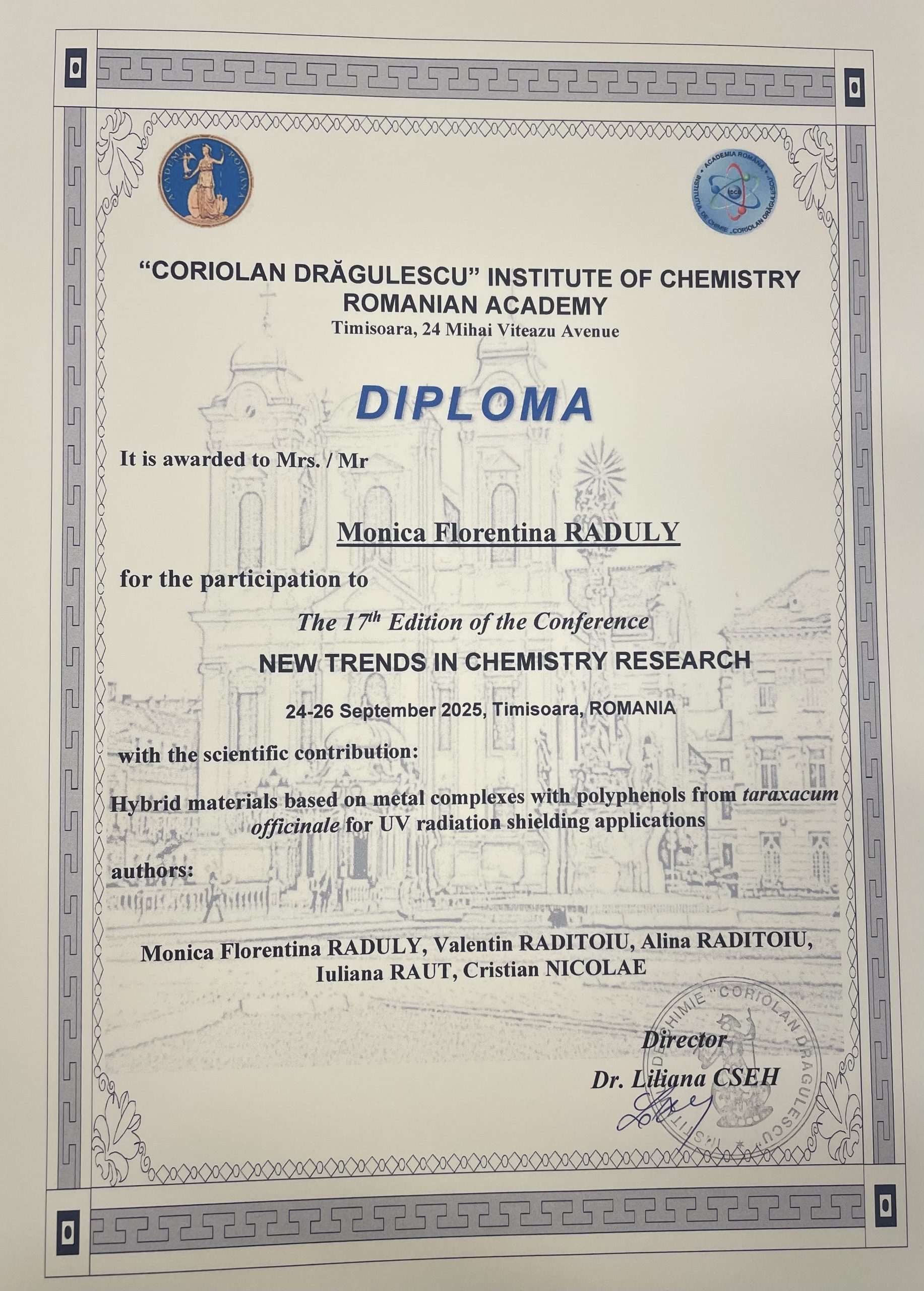
2.M. F. Raduly, V. Raditoiu, A. Raditoiu, I. Raut, C. Nicolae, Hybrid materials based on metal complexes with polyphenols from Taraxacum officinale for
UV radiation shielding applications,17th Edition of the International Conference ”New Trends in Chemistry Research”, September, 24-26, 2025,
Timisoara, Romania
3.M. F. Raduly, V. Raditoiu, A. Raditoiu, A. Frone, C. Nicolae, Sol-gel hybrid films containing BN–C nanostructures: deposition and functional characterization,17th Edition of the International Conference ”New Trends in Chemistry Research”, September, 24-26, 2025, Timisoara, Romania
4. M. F. Raduly, V. Raditoiu, A. Raditoiu, C. A. Nicolae. Silane-functionalized sericite as a hybrid support for the immobilization of bioactive compounds from red clover. The International Symposium "Priorities of chemistry for a sustainable development" PRIOCHEM, XXIst edition, 15-17 October 2025,Bucharest, Romania
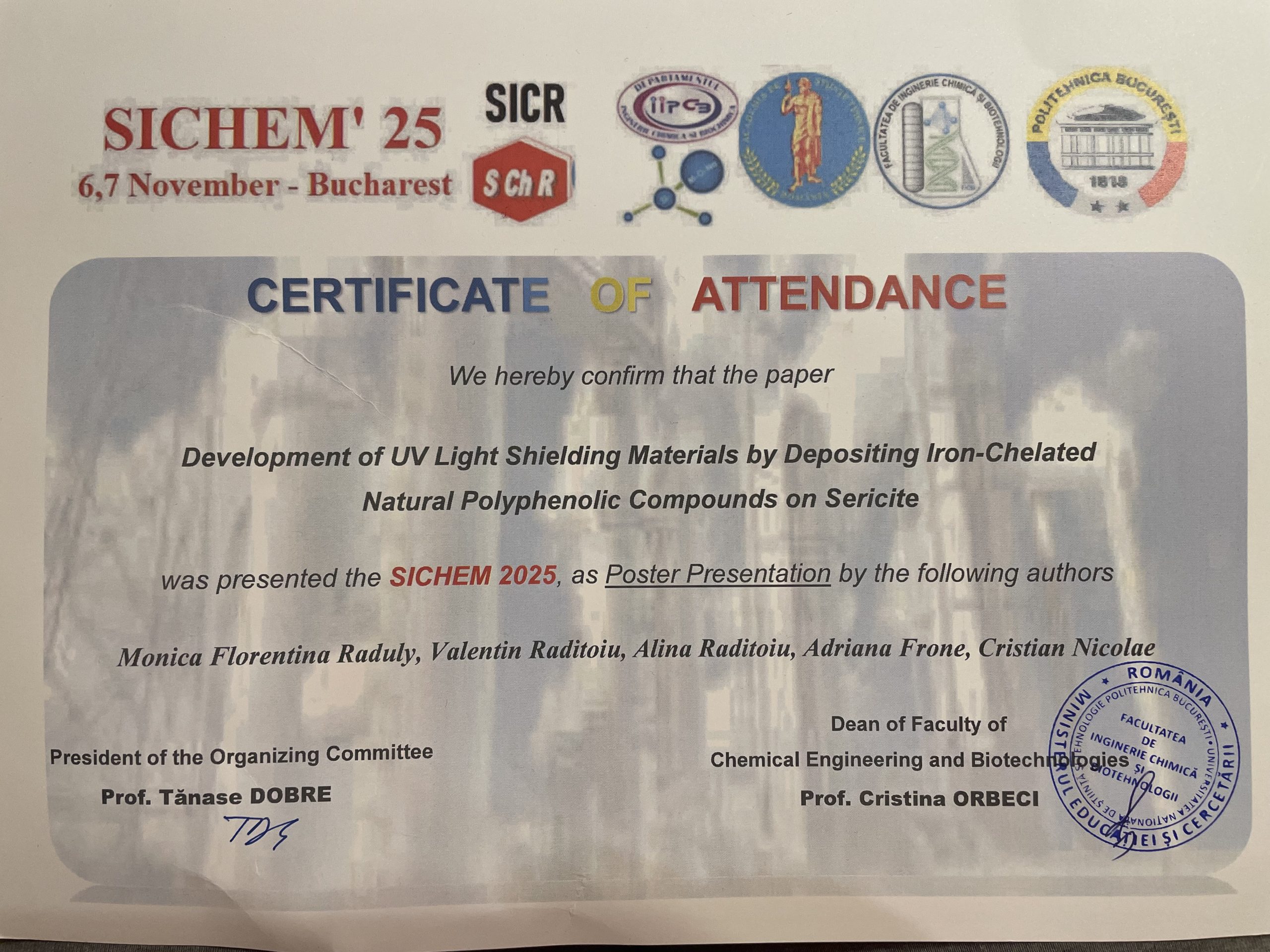
5. M. F. Raduly, V. Raditoiu, A. Raditoiu, A. Frone, C. Nicolae. Development of UV Light Shielding Materials by Depositing Iron-Chelated Natural Polyphenolic Compounds on Sericite, International Chemical Engineering and Materials Symposium, SICHEM, 6 - 7 November 2025, Bucharest, Romania
6. M. F. Raduly, V. Raditoiu, A. Raditoiu, A. Frone, I. Raut. Bioactive sol-gel coatings obtained by network encapsulation of phytosynthesized selenium nanoparticles, The 1st International, Online Conference on Gels, 3-5 December 2025
Papers
- Raditoiu, A.; Raduly, F.M.; Grapin, M.; Fierascu, R.C.; Nicolae, C.-A.; Trica, B.; Raditoiu, V. Dual-Sensitizer Strategy for Enhanced Photocatalysis by
Coupling Perylene Tetracarboxylic Acid and Copper Phthalocyanine Tetracarboxylic Acids on TiO2. Materials 2025, 18, 4715.
https://doi.org/10.3390/ma18204715
Other scientific events
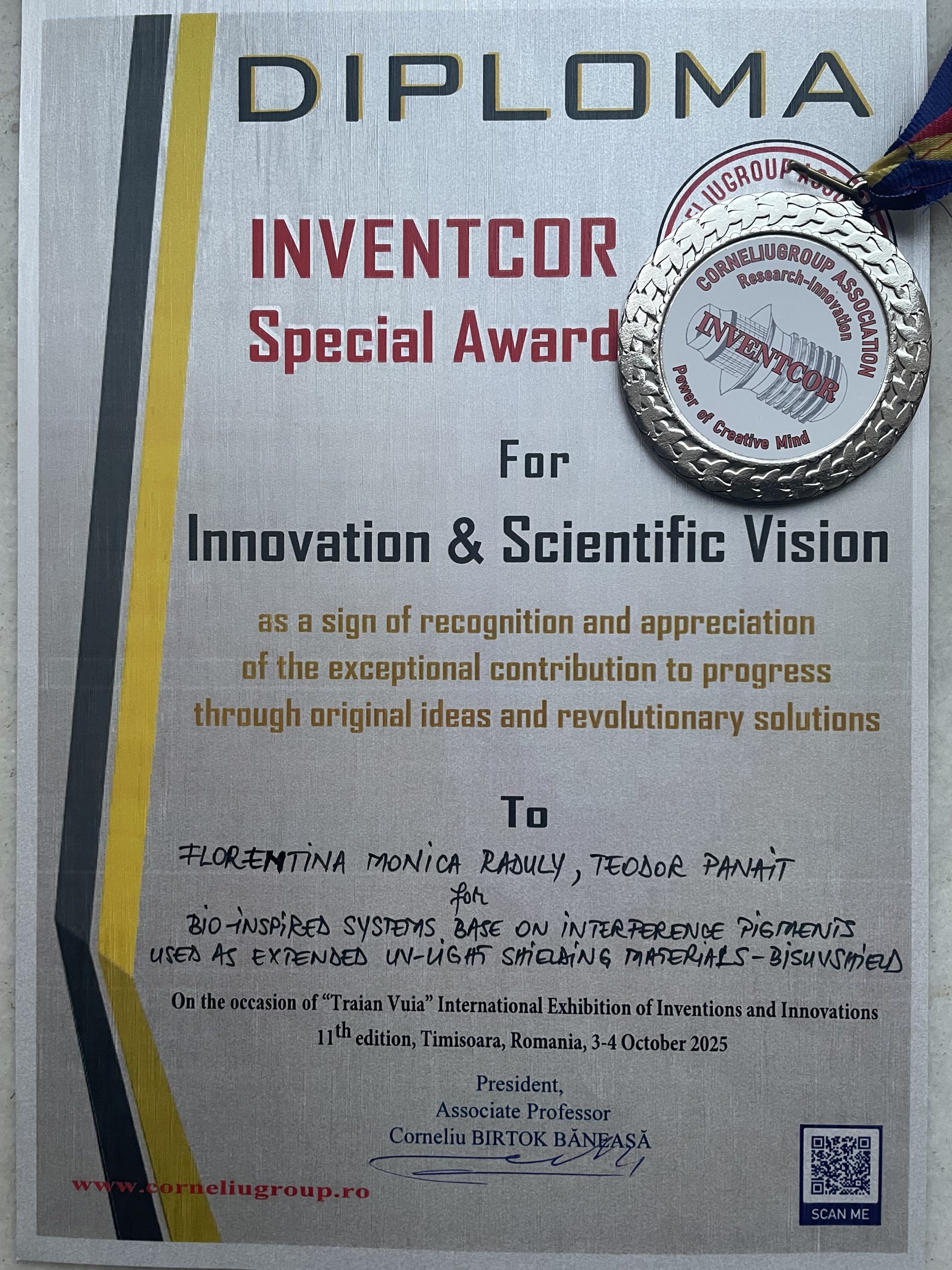
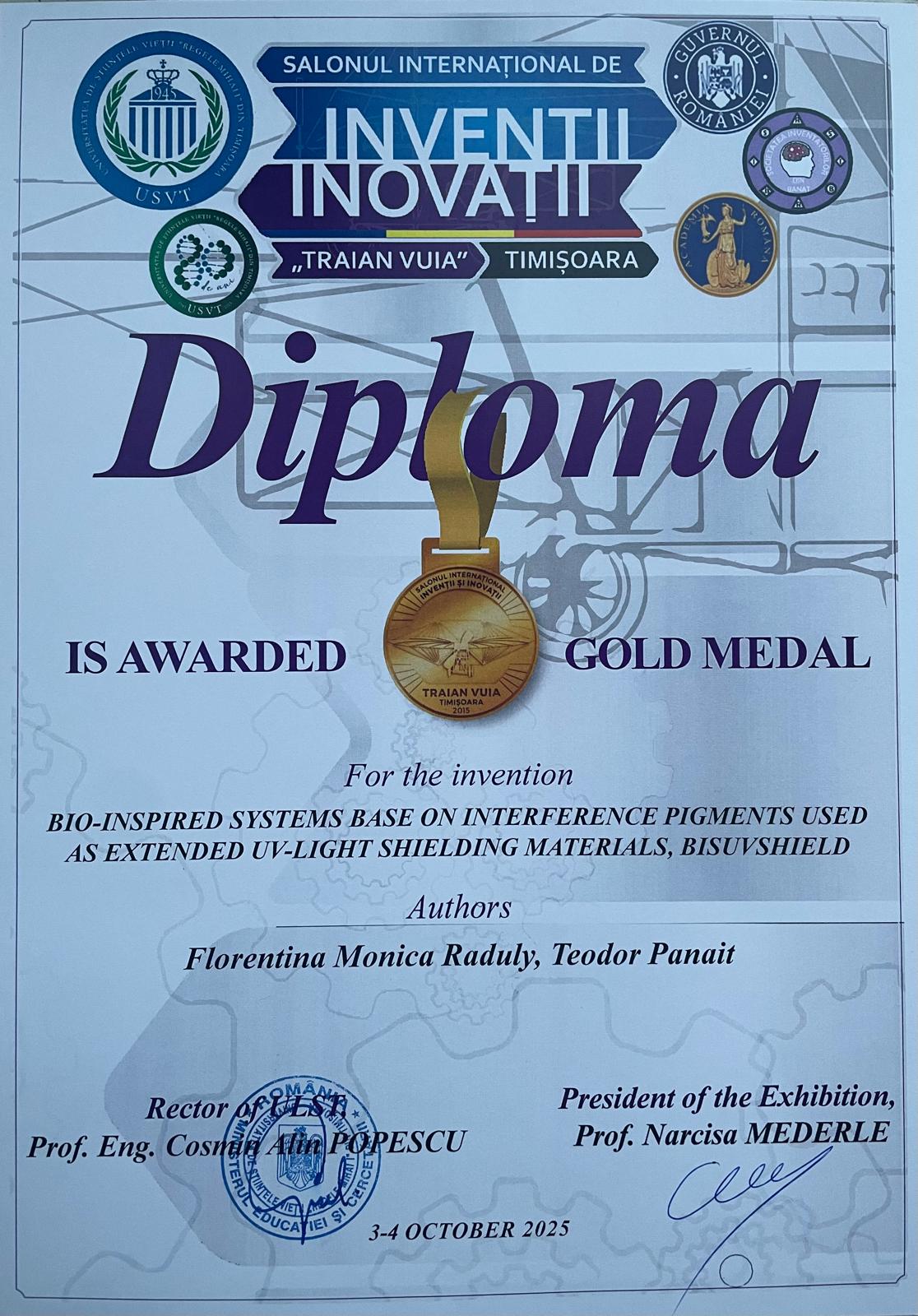
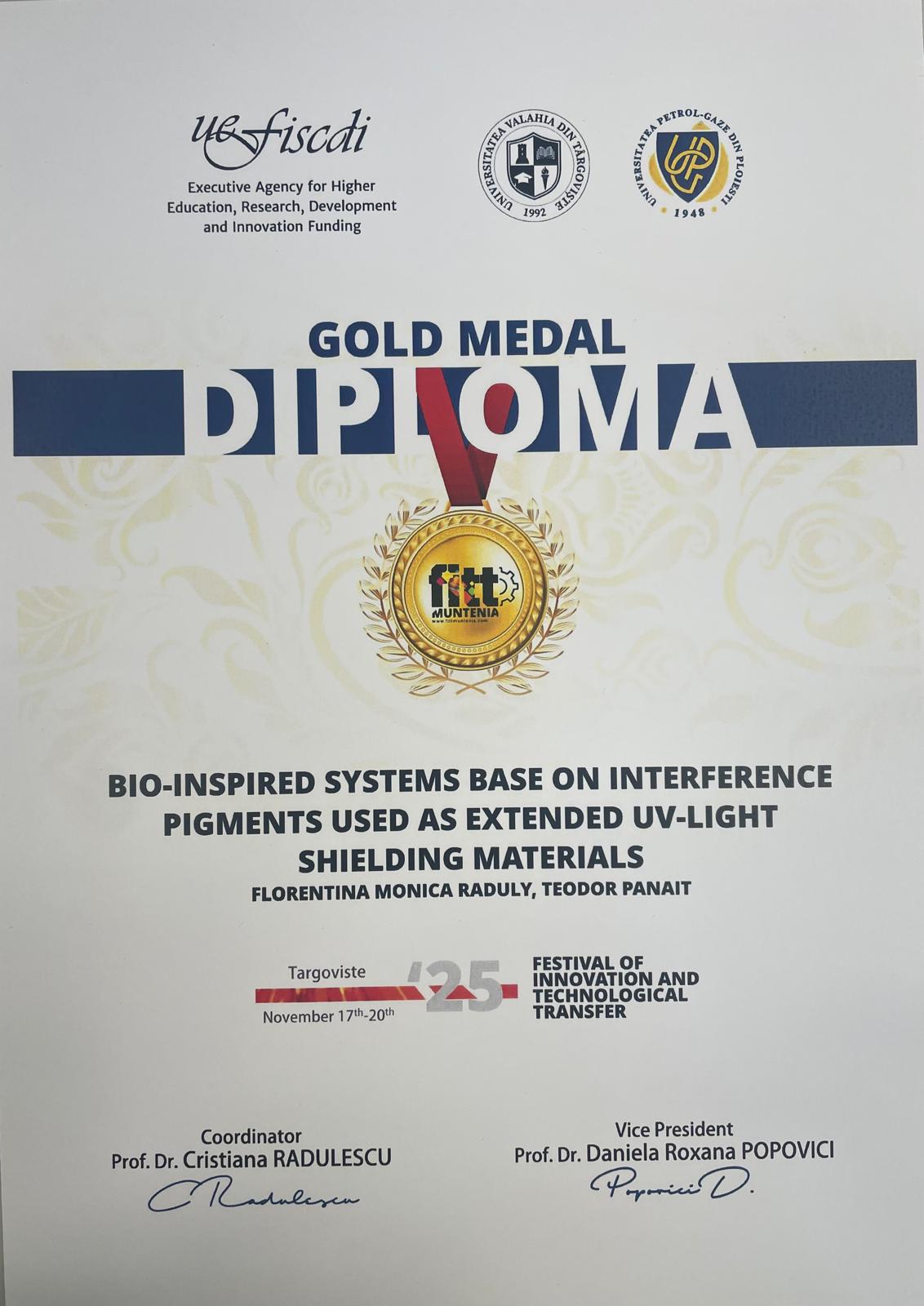
The promotion of the research activity within the project at national and international level was achieved through participation in 3 invention salons and at the Innovation and Technology Transfer Festival held between November 17-20, where the gold medal was obtained.
· Awards obtained at "TRAIAN VUIA" International Exhibition of Inventions and Innovations, Timisoara, October 3 - 4, 2025
- Gold Medal, awarded by the jury of the "TRAIAN VUIA" International Exhibition of Inventions and Innovations
- INVENTCOR Special Award for Innovation & Scientific Vision, awarded by the Corneliu Group Association for Research and Innovation
- Certificate of Appreciation from the Justin Capra Association
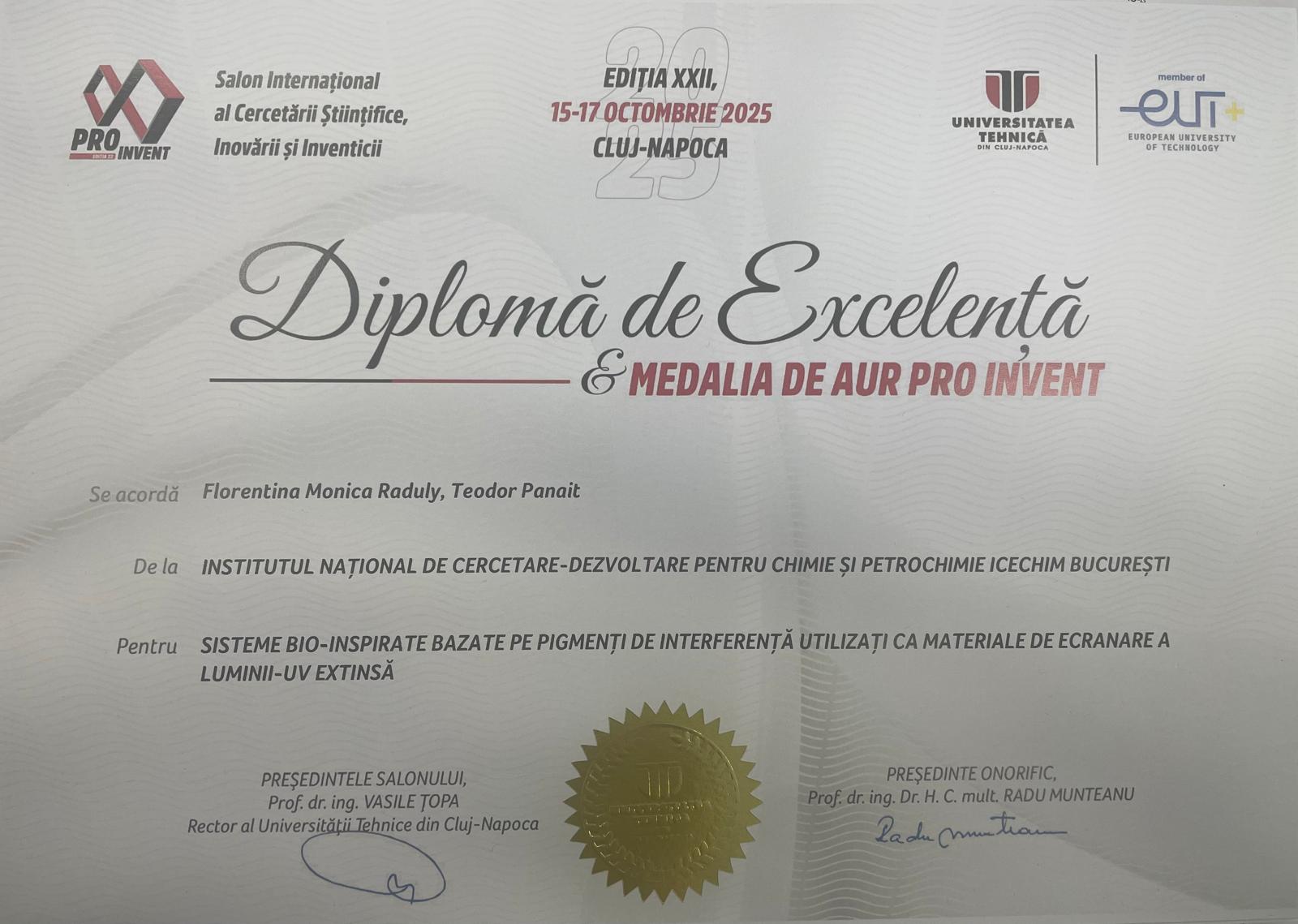
Awards received at the 22nd Edition of the International Exhibition of Research, Innovations and Inventions – PRO INVENT, Cluj-Napoca, October 15–17, 2025:
- Diploma of Excellence & Gold Medal awarded by the PRO INVENT jury
- Special Award Diploma awarded by the Corneliu Group Association, Deva, Romania
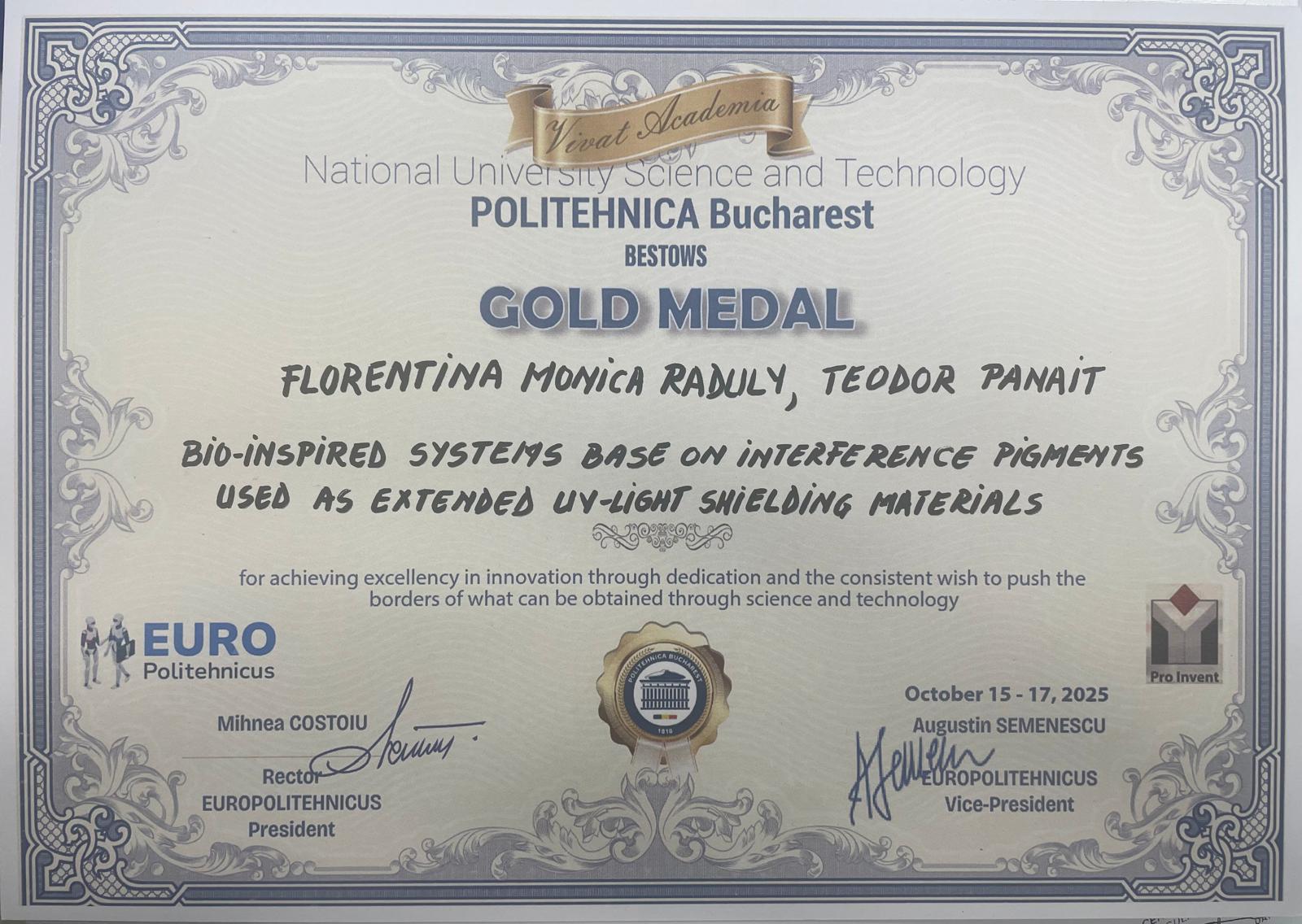
- Gold Medal from the National University of Science and Technology Politehnica Bucharest
- Diploma of Excellence from INMA Bucharest (National Institute of R&D for Machines and Installations Designed for Agriculture and Food Industry)
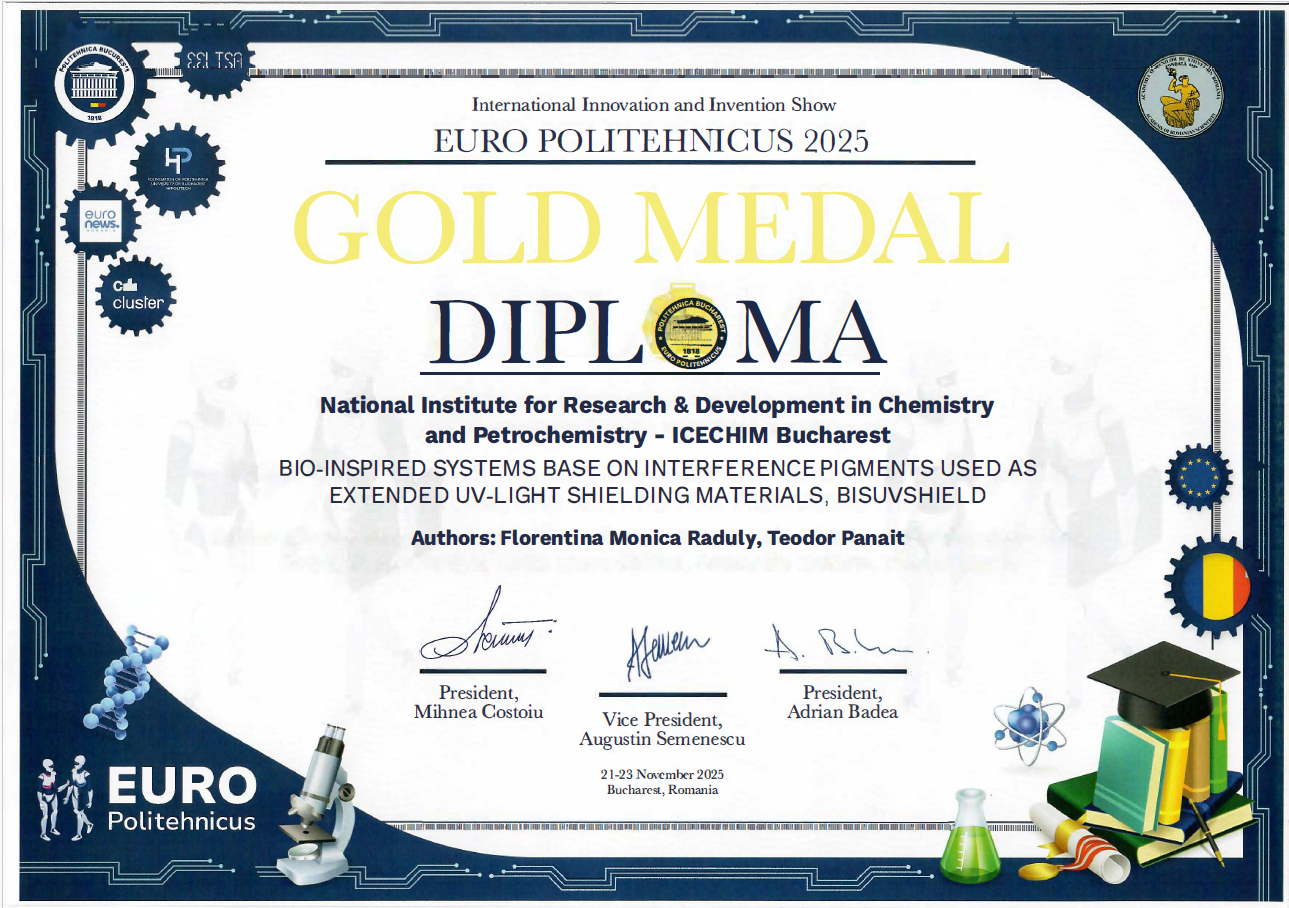
Awards received at the International Innovation and Invention Show EURO POLITEHNICUS 2025, Bucharest, November 21–23, 2025:
Gold Medal awarded by the jury of the International Innovation and Invention Show EURO POLITEHNICUS
Contact
National Institute for Research & Development in Chemistry and Petrochemistry – ICECHIM
202 Splaiul Independentei, 6th District, 060021 Bucharest, Romania
Project manager: Florentina Monica Raduly
Phone: +40 21 316.30.62/118
Fax: +40 21 312.34.93
E-mail: ;
Web: www.icechim.ro