National Institute for Research & Development in Chemistry and Petrochemistry
ICECHIM
Scientific Board
The Scientific Board of the NATIONAL RESEARCH-DEVELOPMENT INSTITUTE FOR CHEMISTRY AND PETROCHEMISTRY - ICECHIM BUCHAREST is the forum for scientific orientation and coordination of the institute, which participates in the elaboration of the institute's strategy and programs in the field of research, development, innovation and technical-scientific activity in general, as well as increasing the visibility of the institute at national and international level.
The Scientific Board has the mission, through its activity, to contribute to the development, promotion and capitalization of the scientific activity of INCDCP-ICECHIM.
To this end, the Scientific Board will act to:
(a) valorisation of the research profession, training and development of human resources involved in research;
(b) ensuring the inter- and multi-disciplinary nature of research, innovation in research, technological development and knowledge transfer, in the context of the knowledge-based society and the European Research Area.
The Scientific Board consists of researchers with high scientific training and extensive experience in research, representative of the research areas of the institute, with proven skills to coordinate research programs or projects.
Scientific Board Members 2023-2027

Dr. Radu Claudiu FIERĂSCU
President
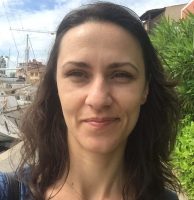
Dr. Tanța-Verona IORDACHE
Vice-President
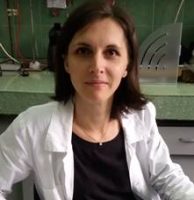
Dr. Cristina Emanuela ENĂȘCUȚĂ
Secretary
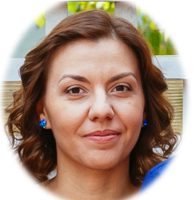
Dr. Adriana FRONE
Board member
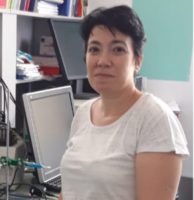
Dr. Ana-Maria GURBAN
Board member
Dr. Mihaela DONI
Ex officio member (General Manager)
Dr. Florin OANCEA
Ex officio member (Scientific Manager)
Dr. Anita-Laura CHIRIAC
Member
Dr. Diana CONSTANTINESCU-ARUXANDEI
Member
Dr. Ramona Marina GRIGORESCU
Member
Dr. Ana-Mihaela GAVRILĂ
Member
Dr. Cristian PETCU
Member
Dr. Valentin RĂDIȚOIU
Member
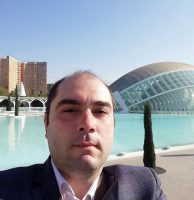
Dr. Teodor SANDU
Member
Dr. Rusăndica STOICA
Member
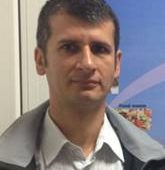
Dr. Gabriel VASILIEVICI
Member
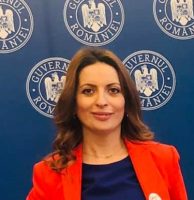
Dr. Anamaria ZAHARIA
Member
Scientific Advisory Board
The International Scientific Advisory Board (ISAB) is an external advisory body of the National Research and Development Institute for Chemistry and Petrochemistry – ICECHIM Bucharest, established to provide strategic guidance and scientific validation of the Institute’s research and innovation directions.
Composed of nine internationally recognised experts, ISAB offers independent scientific expertise, evaluates the relevance and competitiveness of research programmes, and formulates strategic recommendations to ensure alignment with international standards of excellence. Its advisory reports support the ICECHIM Scientific Council and management in evidence-based institutional governance.
Members of the International Scientific Advisory Board
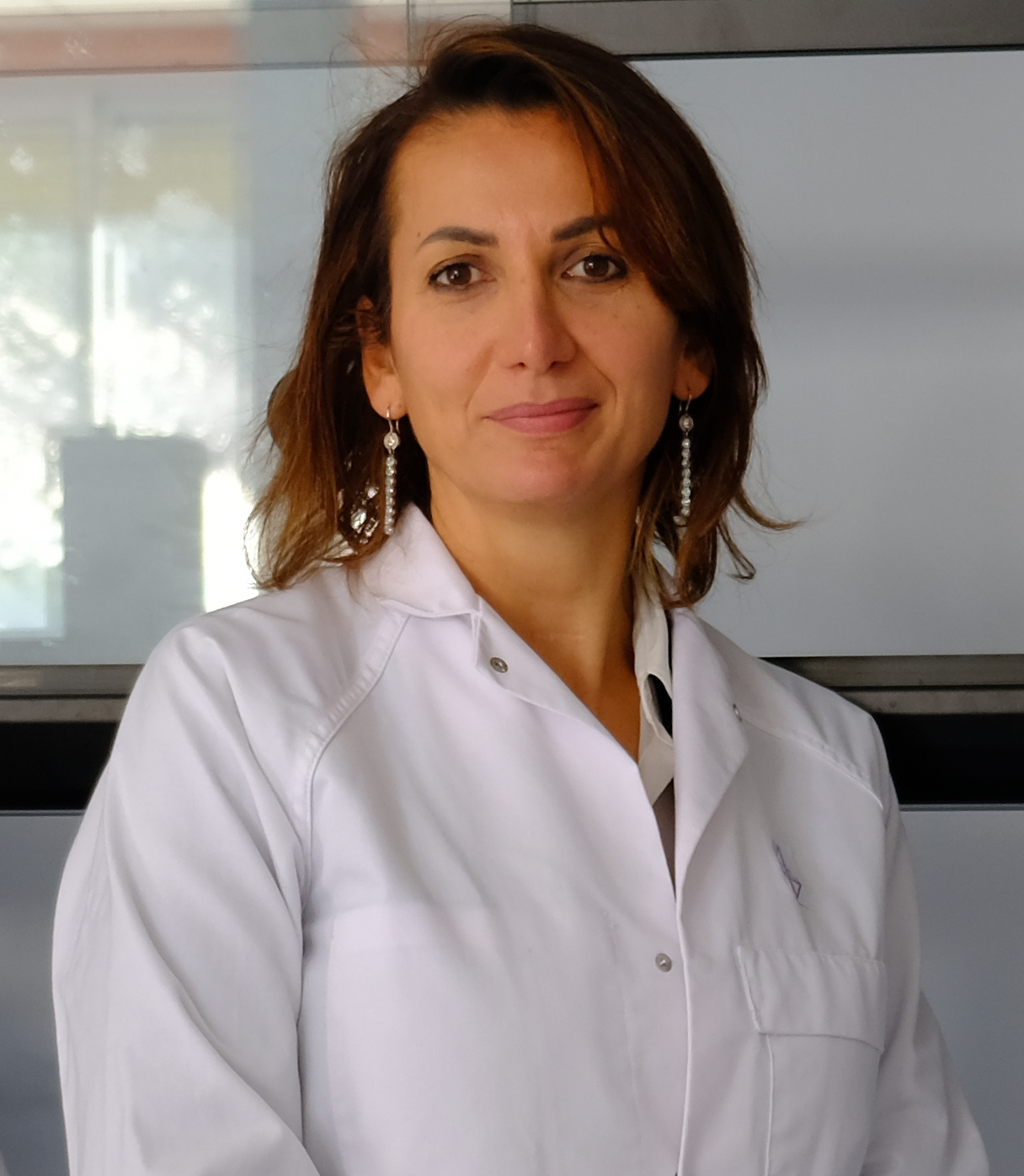
Prof. Dr. FABIANA ARDUINI
University of Rome “Tor Vergata”
Fabiana Arduini is a Full Professor at Department of Chemical Science and Technologies, University of Rome “Tor Vergata”, founder of start-up SENSE4MED, Quality Assurance Manager at ISO9001 Certified Laboratory LabCap, University of Rome "Tor Vergata”, Editor of Green Analytical Chemistry Journal, Elsevier, Associated Editor of Microchemical Journal, Elsevier, Member of Editorial Advisors Analytical Chimica Acta, Elsevier, Member of the Editorial Board Biosensors and Bioelectronics, Elsevier. She is a member of the Italian commission composed of scientists of "high renown" established by the Italian Minister of Defence in 2024 to update the studies carried out to date on the consequences deriving from exposure to depleted uranium and CnGE, CapTech CBRN&HF, European Defence Agency.
Her research activity deals with the development of miniaturised electrochemical devices mainly using screen-printed electrodes modified with nanomaterials and paper-based analytical tools applied in environmental, biomedical, agrifood, and defense sectors, with over 200 articles published in peer-review journals, H index 71, > 10 patents, coordinators of several national/international projects including Horizon Europe Pathfinder project Phoenix-OoC (March 2024- February 2027). Her name is listed among the top 2% of most cited researchers in the world.
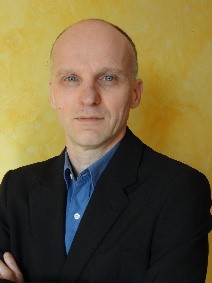
Prof. Dr. LUC AVEROUS
CNRS / Université de Strasbourg
Prof. Luc Avérous is Professor at the University of Strasbourg (France), within the European School of Chemistry, Polymers and Materials Science (ECPM), and head of the joint research laboratory Mutaxio, established in partnership with the industrial group Soprema. He is a former director of a research unit and an internationally recognised expert in polymer science and engineering.
He obtained his PhD in Polymer Science and Engineering from École des Mines de Paris in 1995, following earlier studies in polymer engineering in Strasbourg. After postdoctoral research positions, including at École Polytechnique de Montréal (Canada), he held academic positions at ESIEC-Reims and later became Full Professor at ECPM Strasbourg in 2003.
For more than 35 years, his research has focused on polymer science and engineering, particularly on biobased, sustainable and biodegradable polymers for environmental and biomedical applications. His work includes biopolymers, biodegradable polyesters, renewable polymer architectures and biomaterials for tissue engineering and advanced manufacturing.
Prof. Avérous has developed extensive international collaborations with academic institutions and industrial partners and has been involved in numerous national and international research projects, including ANR, Bpifrance, Horizon 2020 and Horizon Europe programmes.
He has co-edited four books, authored around forty book chapters, holds fifteen patents and has published over 250 scientific papers, with around 30,000 citations. He is listed among the World’s Top 1% most cited scientists.

Prof. Dr.-Ing. habil. Dr. h.c. ALDO R. BOCCACCINI
University of Erlangen–Nuremberg
Aldo R. Boccaccini is Professor of Materials Science (Biomaterials) and Head of the Institute of Biomaterials at the University of Erlangen–Nuremberg, Germany. He is also a visiting professor at Imperial College London and RWTH Aachen University. He obtained his Engineering degree from Instituto Balseiro, Argentina, and his Doctorate in Engineering (Dr.-Ing.) from RWTH Aachen University.
His research focuses on ceramics, glasses and composite materials for biomedical and functional applications, with particular emphasis on bioactive materials, scaffolds for tissue engineering, nanomaterials for drug delivery, biofabrication and antibacterial coatings.
Prof. Boccaccini has published over 1100 scientific papers and 25 book chapters, co-edited eight books and delivered more than 150 invited and plenary lectures. His work has received over 100,000 citations, with an h-index above 130 (Scopus), placing him among the most cited researchers worldwide. He has been repeatedly included in the Highly Cited Researchers lists (Clarivate) and the Stanford global ranking of top 2% scientists, where he ranks among the top researchers in Materials Science.
He has held leading editorial roles, including Editor-in-Chief of Materials Letters (2010–2023), and currently serves as Editor of Progress in Materials Science and Bioactive Materials. He is a Fellow of several major international societies and has held leadership roles in the Federation of European Materials Societies (FEMS), serving as President (2024–2025).
Prof. Boccaccini has received numerous international distinctions, including the George Winter Award (ESB) and the Larry L. Hench Lifetime Achievement Award (American Ceramic Society). He is a member of prestigious academies such as National Academy of Engineering and Applied Sciences of Germany (acatech) and the World Academy of Ceramics and has been awarded multiple honorary doctorates by universities across Europe and beyond.
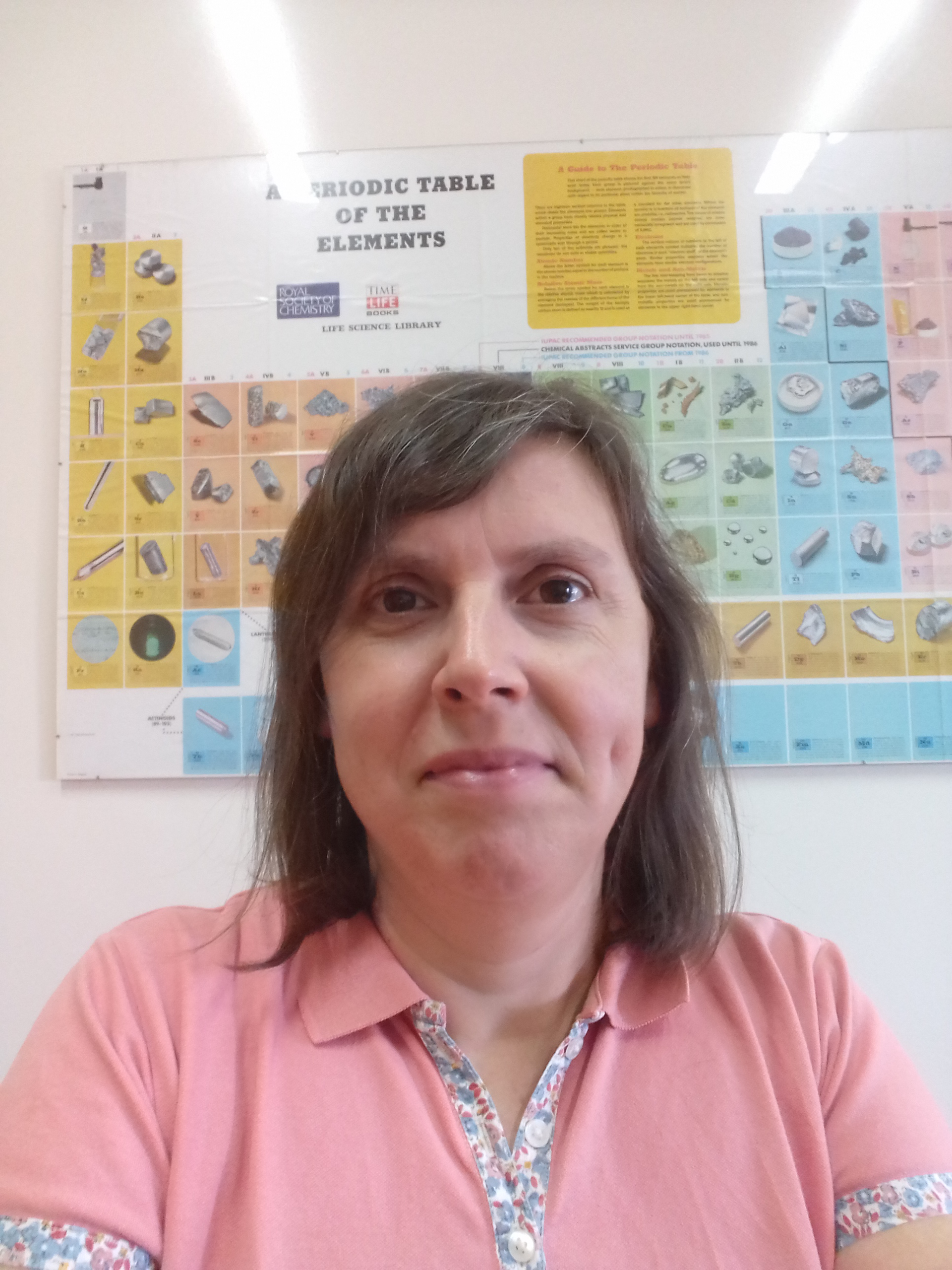
Prof. Dr. LUISA MARIA ROCHA DURÃES
University of Coimbra
Luisa Durães is Associate Professor at the Department of Chemical Engineering of the University of Coimbra and a full member of the Centre on Chemical Engineering and Environmental Resources for Sustainability (CERES). She obtained her PhD in Chemical Engineering in 2008, specializing in energetic materials and later expanding her research to the synthesis of nanostructured materials — including aerogels, core–shell and porous nanoparticles, and thin films — using sol–gel technology and other wet-chemistry approaches for a wide range of applications.
She has actively contributed to the development of 26 funded research projects in nanotechnology, including eight international projects. Most of these projects focused on the development of surface-modified and reinforced silica nanostructured materials, particularly aerogels, for applications in thermal insulation, environmental remediation and biomedicine. She has served as principal investigator or co-responsible researcher in 13 of these projects, six of which were international.
Prof. Durães has supervised six completed PhD theses (with seven currently ongoing), around 75 MSc theses and numerous research traineeships. She has authored approximately 130 peer-reviewed papers and book chapters, as well as about 160 conference papers and abstracts. Her h-index is 38 (Scopus), and since 2022 she has been included in the Stanford University “World’s Top 2% Scientists” ranking.
She is co-inventor of six international patents (2015, 2022, 2025) and has received several innovation awards related to circular solutions for polymer waste. At the University of Coimbra she has held several academic leadership roles, including Head of the Department of Chemical Engineering (2021–2023), Coordinator of the Master’s Programme in Chemical Engineering (2019–2021; 2023–2026), and Vice-Head of the Department of Chemical Engineering (2015–2019; 2025–2027).
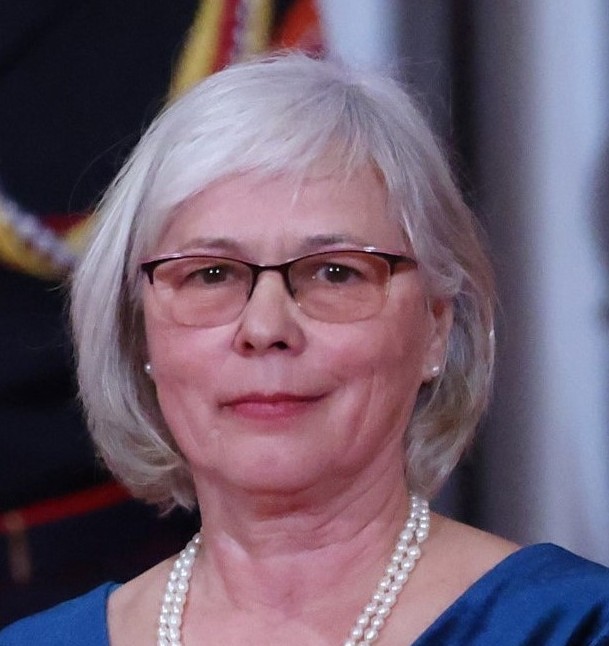
Dr. MARIA DUSINSKA
Climate and Environmental Research Institute NILU
Maria Dusinska, RNDr., PhD., DrSc., ERT has over 30 years experience in environment and health field, hazard and risk assessment, genotoxicity and carcinogenicity, nanotoxicology, advanced in vitro models, human biomonitoring and biomarkers.
Before she moved to Norway in 2006, she worked at Slovak Medical University as head of Department of Experimental and Applied Genetics in Bratislava. At NILU, Kjeller, Norway she was Director of GLP laboratory and scientific leader of Health Effects Laboratory. She was teaching at Oslo University ‘Food toxicology’ and in Comenius University ‘DNA instability and human health’. In 2005-2006 she was national expert at EC DG RTD Health at Brussels for alternative toxicity tests.
Between 2013-2023 she was a member of the Scientific Committee on Consumer Safety (SCCS), and since 2020 she is member of Genotoxicity cross-cutting WG in EFSA.
She has over 500 publications, over 22 000 citations, h-score 75 (Google Scholar). She coordinated and was involved in many EC and national projects. In 2024 she received Fritz Sobel’s Award 2024 (EEMGS) and State Award Ludovit Stur Order II. from President of Slovak Republic.
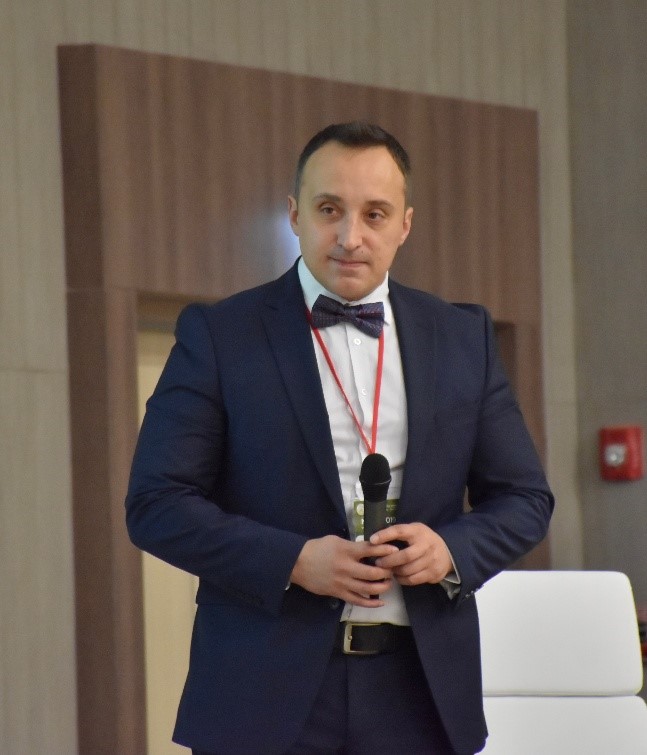
Prof. Dr. MILEN I. GEORGIEV
Center of Plant Systems Biology and Biotechnology (CPSBB)
Institute of Microbiology of the Bulgarian Academy of Sciences
Prof. Dr. Milen I. Georgiev is a leading researcher in the field of natural products and biotechnology. He heads the Laboratory of Metabolomics at the Institute of Microbiology of the Bulgarian Academy of Sciences and the Department of Plant Cell Biotechnology at the Center of Plant Systems Biology and Biotechnology.
His research focuses on the biosynthesis of bioactive molecules and the development of biotechnological tools for their sustainable production, metabolomics and comprehensive metabolite profiling, as well as molecular pharmacology, with particular interest in mechanisms related to obesity, photoaging and longevity.
Prof. Georgiev has more than 20 years of research experience and has authored over 200 scientific publications. Since 2020 he has been listed for six consecutive years among the top 2% most cited scientists worldwide. He is a recipient of the Pythagoras Award for Outstanding Scientist, granted by the Bulgarian Ministry of Education and Science (2011, 2015, 2020 and 2024), becoming the first scientist in Bulgaria to receive this distinction four times.
Prof. Georgiev is actively involved in the international scientific community as Editor, Associate Editor or Editorial Board member of numerous journals in the fields of biotechnology and natural products, including Phytomedicine, Phytochemistry, Phytochemistry Reviews, Environmental Science and Ecotechnology, Biotechnology Letters, Chinese Medicine, Food Frontiers and Frontiers in Pharmacology. Since 2022 he has served as President of the Bulgarian Phytochemical Society, and in 2025 he was elected to the Management Board of the Bulgarian Academy of Sciences.
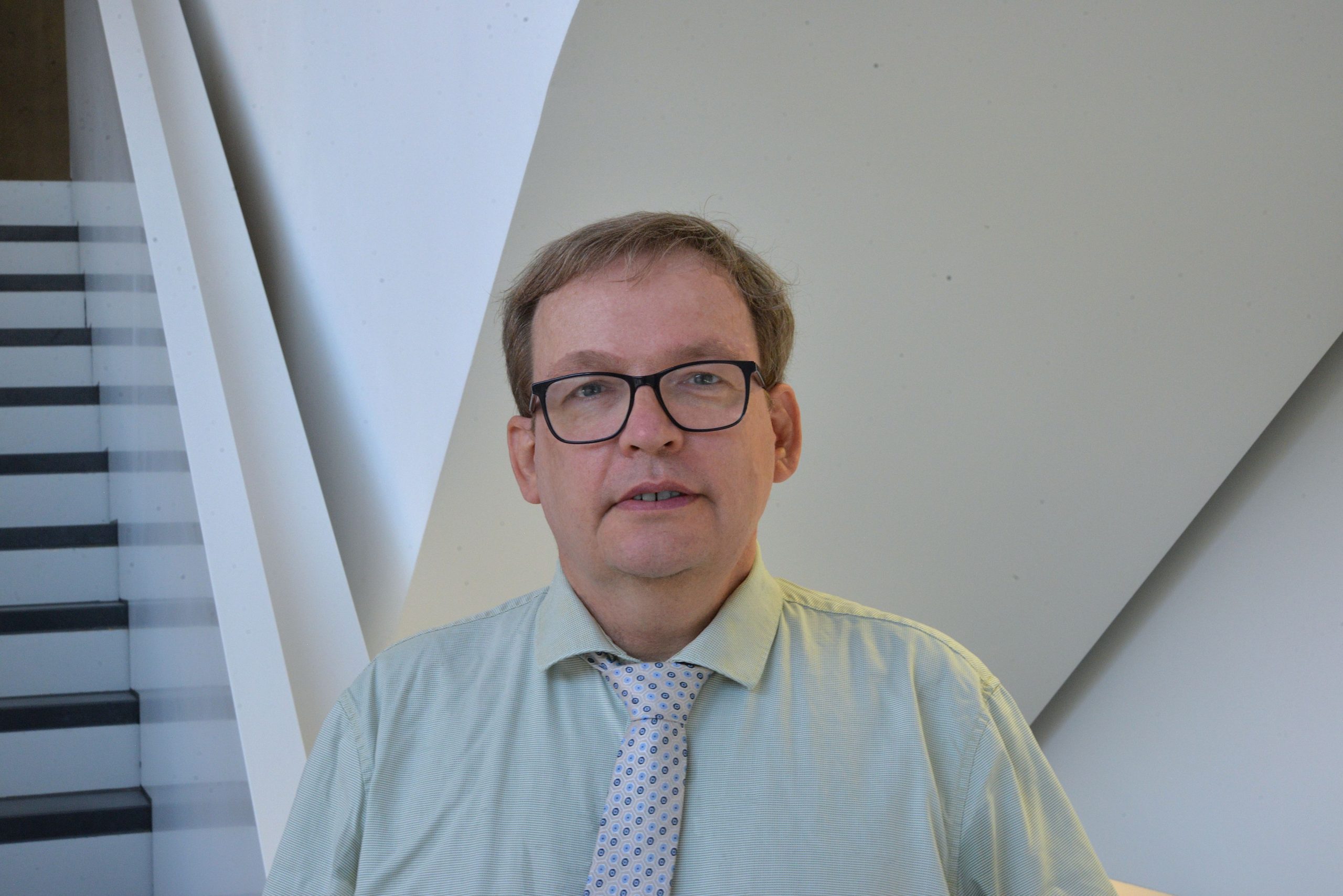
PD Dr. rer. nat. MARTIN KILO
Fraunhofer Institute for Silicate Research ISC, Bronnbach Branch
PD Dr. rer. nat. Martin Kilo is a senior scientist at the Fraunhofer Institute for Silicate Research ISC (Bronnbach branch, Germany), where he works on glass conservation and advanced materials research. His work focuses on glass science, glass technology and mineral materials, with particular interest in the conservation and analysis of historical glass. Dr. Kilo studied chemistry at Johannes Gutenberg University Mainz and obtained his PhD at the University of Bayreuth, working on heterogeneous catalytic reduction processes of CO and CO₂. He later completed his habilitation at the Technical University of Clausthal.
Between 2018 and 2021 he held a temporary professorship in Glass and Glass Technology at TU Bergakademie Freiberg, where he also served as Dean of Studies. His professional career includes senior research positions at Fraunhofer ISC and extensive international academic experience through research stays at institutions such as École des Mines in Nancy, Keele University, the University of Cambridge and the Indian Institute of Science in Bangalore. Dr. Kilo is actively involved in international scientific and professional networks related to glass science and conservation. He chairs the Glasforum within the German Glass Society (DGG), leads the steering committee of EUCEB for chemical analysis of glass wool, and contributed to the organisation of activities related to the United Nations International Year of Glass 2022. He is also a co-founder of GlasCampus Torgau, an initiative supporting innovation and education in glass technologies.
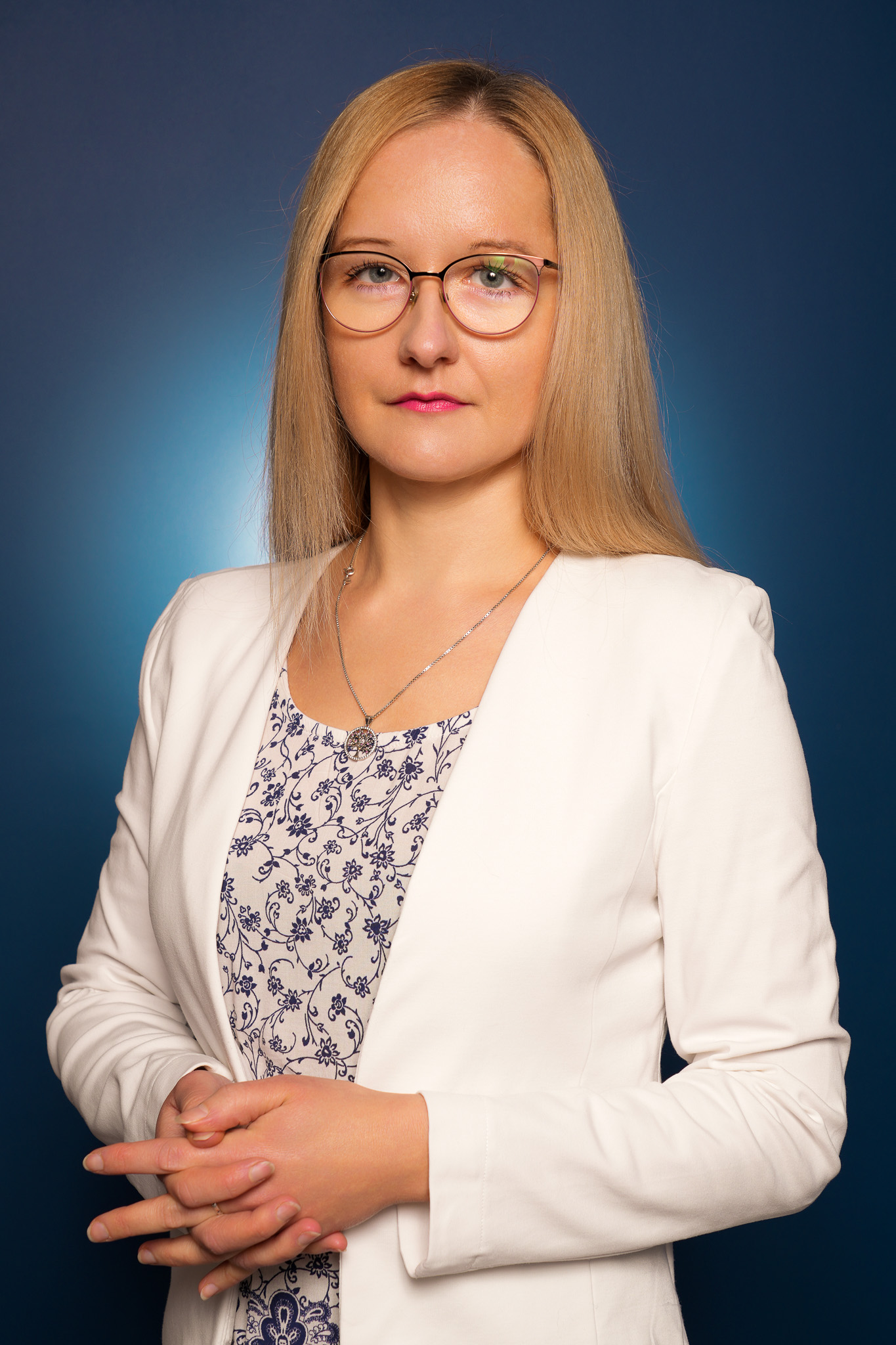
Prof. Dr. ELWIRA SIENIAWSKA
Medical University of Lublin
Prof. Elwira Sieniawska is Full Professor in the Department of Natural Products Chemistry at the Medical University of Lublin, Poland. She obtained her M.Sc. in Pharmacy (2008), PhD in Pharmaceutical Sciences (2012), and habilitation in Pharmaceutical Sciences (2023) from the same university. During her research career she also completed a scholarship at the Department of Chemistry, Biotechnology and Food Science of the Norwegian University of Life Sciences.
Her research focuses on natural products chemistry, pharmacognosy and pharmaceutical biochemistry, with particular emphasis on bioactive plant metabolites and their potential applications in antimicrobial, antitubercular and anticancer therapies, as well as in strategies for overcoming drug resistance. A significant part of her work addresses mechanisms of resistance in Mycobacterium tuberculosis and the development of innovative products derived from natural sources for pharmaceutical, food, cosmetic and agricultural applications.
Prof. Sieniawska has been principal investigator or investigator in numerous competitive national and international research projects funded by the Polish National Science Centre, the Medical Research Agency, the European Commission and industry partners. Her current research projects focus on natural products, metabolomics and tuberculosis drug resistance.
Prof. Dr. ARTUR J.M. VALENTE
University of Coimbra
Prof. Artur J. M. Valente obtained his PhD in Chemistry in 1999 from the University of Coimbra, where he is currently Associate Professor with Habilitation. During his doctoral studies he was a visiting researcher at the Russian Academy of Sciences in Moscow and at the Free University of Brussels. He is currently Director of the Department of Chemistry and Coordinator of the PhD Programme in Chemistry at the University of Coimbra. He is also a member of the Coimbra Chemistry Centre (CCC) and of the Associated Laboratory Institute of Molecular Science (IMS). Throughout his career he has held visiting professor and researcher positions at Lund University (Sweden), the University of Alicante (Spain) and the Universidade Estadual de Maringá (Brazil).
Prof. Valente has published more than 300 scientific articles, 27 book chapters and is co-author of two books and eight granted patents. He has participated in numerous national and international research projects with a combined budget exceeding €30 million. He has supervised or co-supervised more than 12 PhD theses and 39 MSc dissertations, and serves on the editorial boards of several scientific journals. He has also organised and contributed to numerous international conferences in areas such as biopolymers, colloids and interfaces, and electrochemistry.
He leads the Macromolecules and Transport Phenomena Research Group at the Coimbra Chemistry Centre. His research focuses on mesoporous polymeric materials and biogels for sensing, environmental remediation and controlled drug delivery, as well as on transport phenomena in macromolecular and polyelectrolyte solutions and supramolecular chemistry involving host–guest interactions.